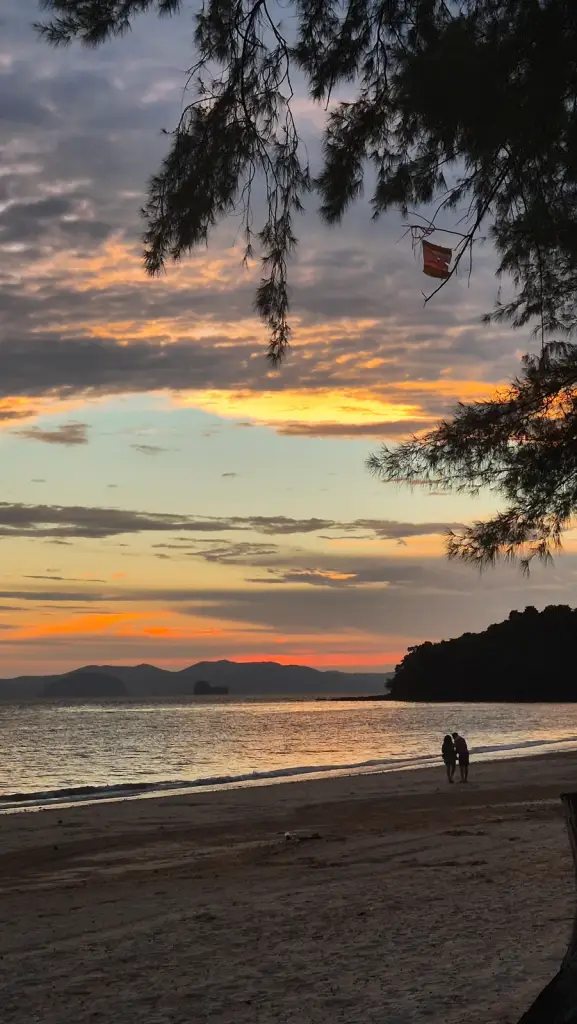
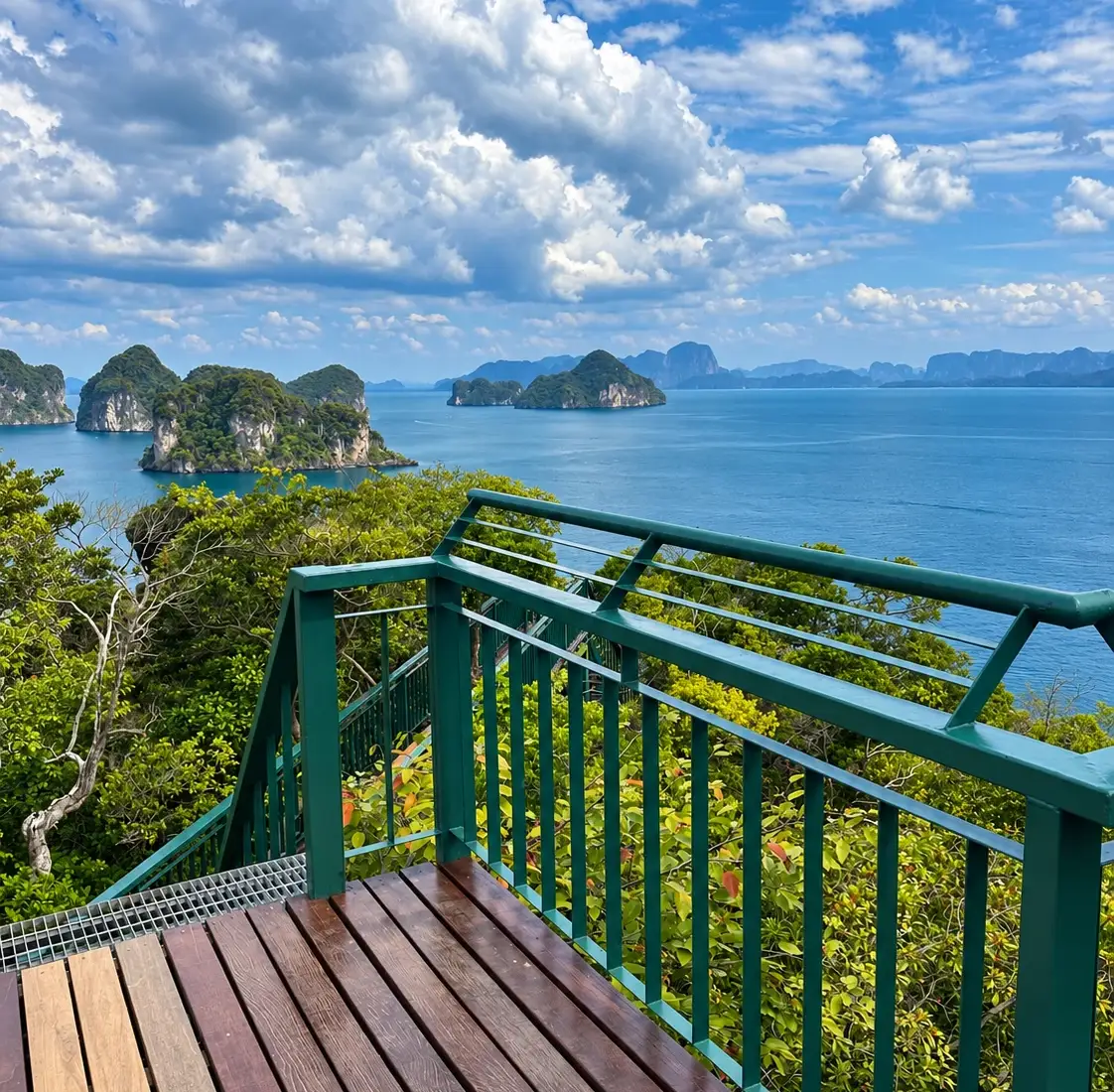
Limestone cliffs, islands, a turquoise sea and beach towns
Krabi is one of the most impressive regions in southern Thailand, and not only for its beaches: huge limestone cliffs, a turquoise sea, small islands, tropical forests, hot springs and beach towns with completely different atmospheres.
A guide to a region that offers much more than beautiful beaches
Krabi is one of the most varied and impressive regions in southern Thailand. Huge limestone cliffs rise out of the sea, beaches are fringed by jungle, small islands are scattered along the coast, and inland there are hot springs, natural pools, temples and viewpoints. But to plan a successful holiday here, it is important first to understand what Krabi is and how the region is laid out.
Krabi is on the west coast of southern Thailand, on the Andaman Sea, and it is one of the most popular starting points for island-hopping. Many people know it for Railay Beach and its famous limestone cliffs, but it is actually a large province that includes beach towns, inhabited islands, nature reserves, tropical forests and local villages.
Krabi's advantage is that you can combine very different experiences in one holiday: a day on a quiet beach, a boat trip between islands, rock climbing, kayaking in the mangroves, a jungle walk, a temple visit and an evening at a restaurant or bar.
That said, not everything is close together. Where you stay affects how convenient things are, how long journeys take and which trips you can combine. In this guide we cover Krabi's main areas, its beaches and islands, the things to do in Krabi on land and at sea, the restaurants, the nightlife and how to plan your visit.
We stayed hereRailay Phutawan ResortThe pool, the view, the breakfast and the service - one of our favourite places to stay in Thailand.Read the review →
Where to stay in Krabi
Before you book a hotel in Krabi, it helps to understand the differences between the three main areas.
A central hotel in Ao Nang with spacious rooms, a main pool and a rooftop pool facing the cliffs - and for families, Deluxe Family Pool Access rooms with a balcony right next to the pool.
One of the most common mistakes when planning a holiday in Krabi is treating it as a single town. In fact, the name Krabi is used for three different things: Krabi province, the city of Krabi Town and the tourist area of Ao Nang.
Krabi Province is the large geographical area, which includes the mainland coast, the islands, the national parks and the towns and villages.
Krabi Town is the province's main city, with markets, shops, local institutions and Thai restaurants. It lies inland, on the Krabi River, and it is not a resort town on a swimming beach.
Ao Nang is the main tourist town, with a wide choice of hotels, restaurants, bars and tour agencies. Boats leave from here for the popular beaches and islands.
Beyond these three areas, Krabi also includes the Railay peninsula, Koh Lanta, the Phi Phi Islands and dozens of other small islands.
Although they are all in Krabi province, that does not mean you can move between them quickly. Some you reach by road, others by boat, and some places need a full day trip.
02Ao Nang - the tourist centre and a convenient base for trips
Ao Nang is the most common choice for travellers coming to Krabi for the first time.
The town is built around Ao Nang beach, with a main road running behind the strip of sand. Along the streets you will find hotels, restaurants, shops, massage parlours, cafés, bars and tour company offices.
The beach itself is surrounded by limestone cliffs and is considered a lovely place to watch the sunset. That said, compared with the spectacular beaches a short boat ride away, Ao Nang is not necessarily the most impressive beach in the area.
Ao Nang's big advantage is convenience. You can head out on an island trip in the morning, be back at your hotel in the afternoon and find a wide choice of restaurants and bars within walking distance in the evening.
Even if you do not plan to rent a car, it is a relatively easy area to get organised in and book tours from.
What will you find in Ao Nang?
In the centre of town there are Thai and international restaurants, cafés, massage parlours, souvenir stalls, convenience stores and plenty of agencies selling tours and boat trips.
Along the road leading to the beach there are also bars with live music, cocktail bars and venues that stay open late.
Most travellers use Ao Nang as a base for heading somewhere different each day, rather than as a destination for spending the whole holiday on the same beach.
The downside is that it is a very touristy area. Anyone looking for a small, quiet Thai village away from the bustle will find better options in other parts of the province.
03Railay Beach - one of the most famous views in Thailand
✓ We stayed here | January 2025
Railay Beach is one of the places most closely associated with Krabi, and one of the places we loved most in Thailand.
Although it is on the mainland, there is no regular road access. The tall limestone cliffs surrounding the area cut it off from the road network, so you arrive by boat.
This is one of the reasons Railay feels so different from Ao Nang. There are no streets full of traffic, and you get between the beaches mainly on foot.
Railay is made up of several areas, each with its own character.
Railay West - the main beach
Railay West is one of the most beautiful beaches in the Krabi area, with a strip of pale sand, turquoise water and tall limestone cliffs on both sides of the bay.
It is a popular spot for swimming, relaxing and watching the sunset. There are hotels and restaurants along the beach, and longtail boats arrive here from Ao Nang.
During the day many visitors also come here on a short trip. If you stay overnight in Railay, you can enjoy the area at the times when the day-trip traffic dies down.
Railay East - the area of hotels and walkways
Railay East is on the other side of the peninsula.
Unlike Railay West, it is not known as a classic swimming beach. The waterline is affected by the tides, and there are muddy stretches and mangroves.
Even so, it is a very useful area: it has hotels, restaurants, walking paths and routes through to the other beaches.
Staying in Railay East can suit anyone who wants to be on the peninsula but does not need a room right on the west beach.
Phra Nang Beach
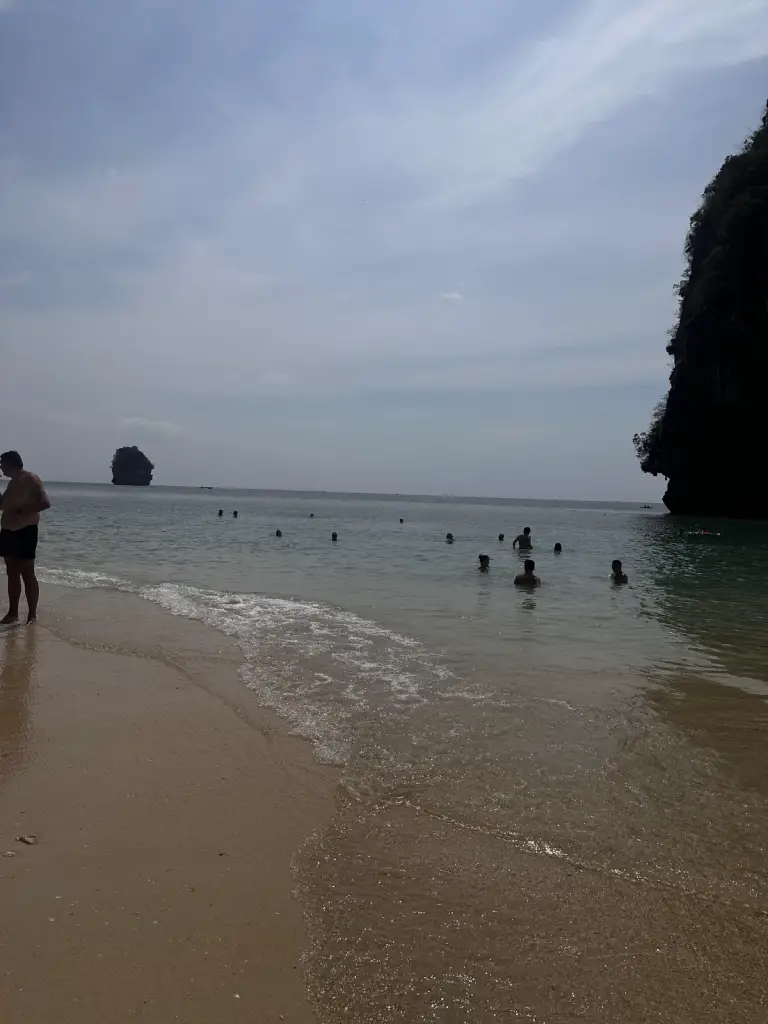
Phra Nang Beach is one of Railay's main attractions.
The beach is surrounded by dramatic limestone cliffs, and at one end is Phra Nang Cave, which is linked to a local tradition and the offerings left there.
Phra Nang Beach in Railay, January 2025
The scenery here is exceptional, but it is also one of the most sought-after spots in the area, so it can get crowded during the day.
You can walk there from within Railay, along a path that runs beside the cliffs.
Tonsai Beach
Tonsai is right next to Railay West, but the atmosphere is different.
The beach is mainly associated with rock climbers and with travellers who prefer simpler places. Behind the beach there are places to stay, bars and restaurants.
You reach Tonsai by boat or on walking routes whose conditions depend on the tide and the terrain.
It is an area especially suited to climbing enthusiasts and anyone looking for a less commercial atmosphere than Railay West.
Where we stayed in Railay
One of the things that surprised us is that Railay is much smaller and easier to get around than it seems when you look at the hotel map.
Before we arrived, we thought we had to book an expensive hotel on the west beach. In the end we chose Railay Phutawan Resort, which is on a hill a little further from the beach, and it turned out to be one of the best decisions of the trip.
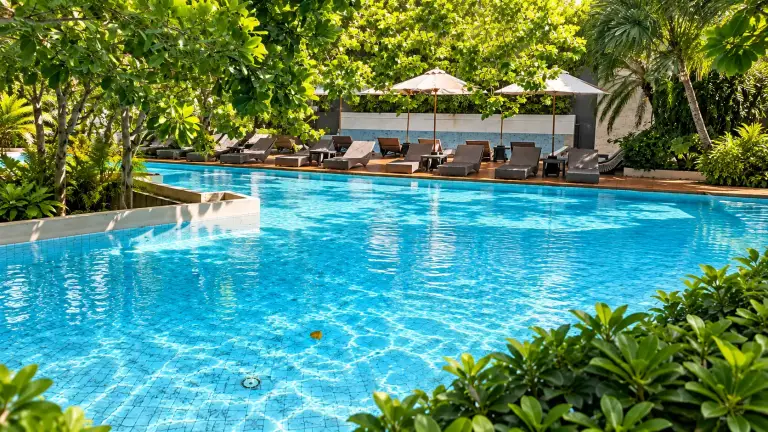
The stunning pool, the view, the breakfast and the service made the hotel one of our favourite places to stay in Thailand. The climb up to the hotel is not for everyone, but for us it was a small drawback compared with all the advantages.
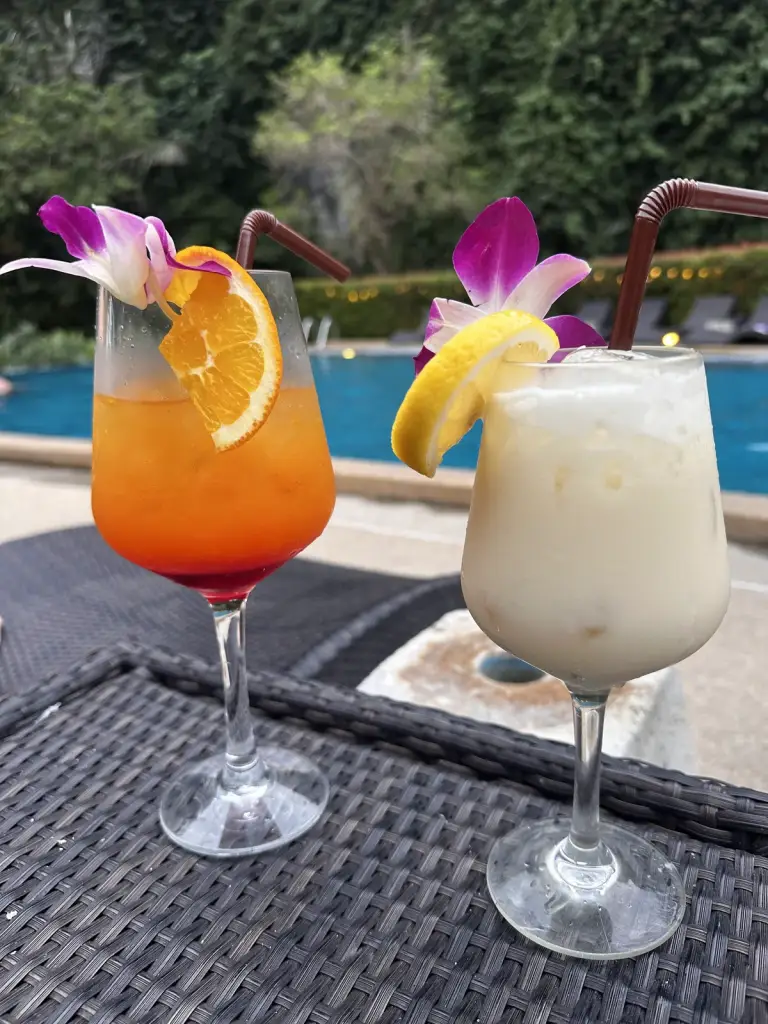
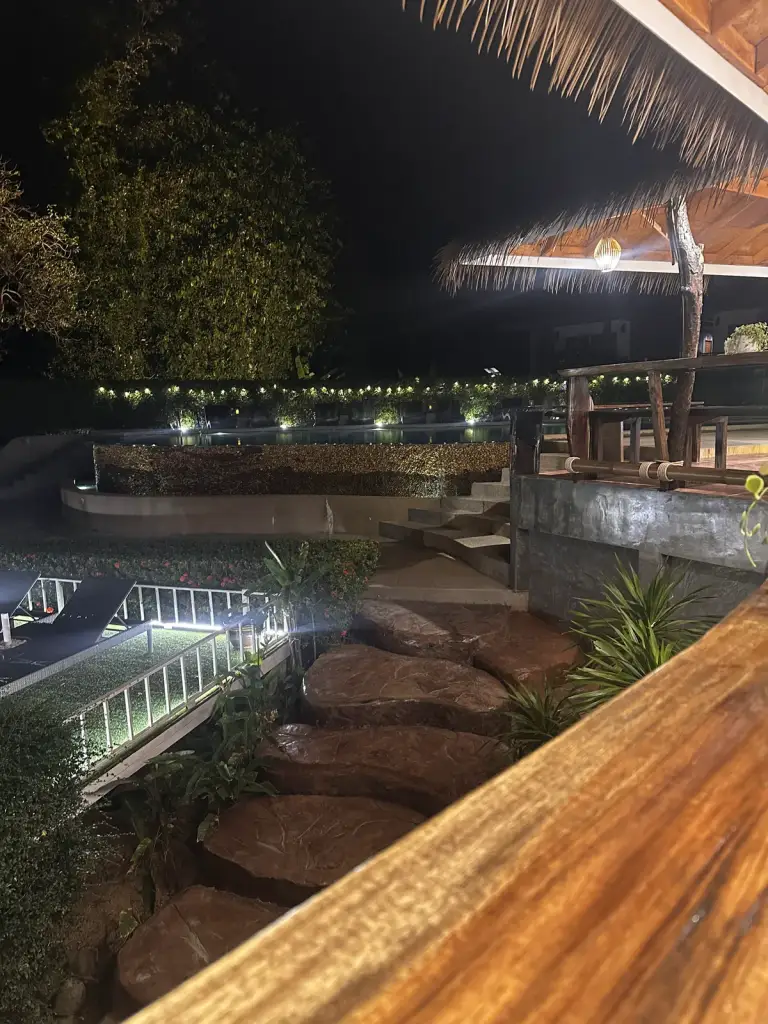
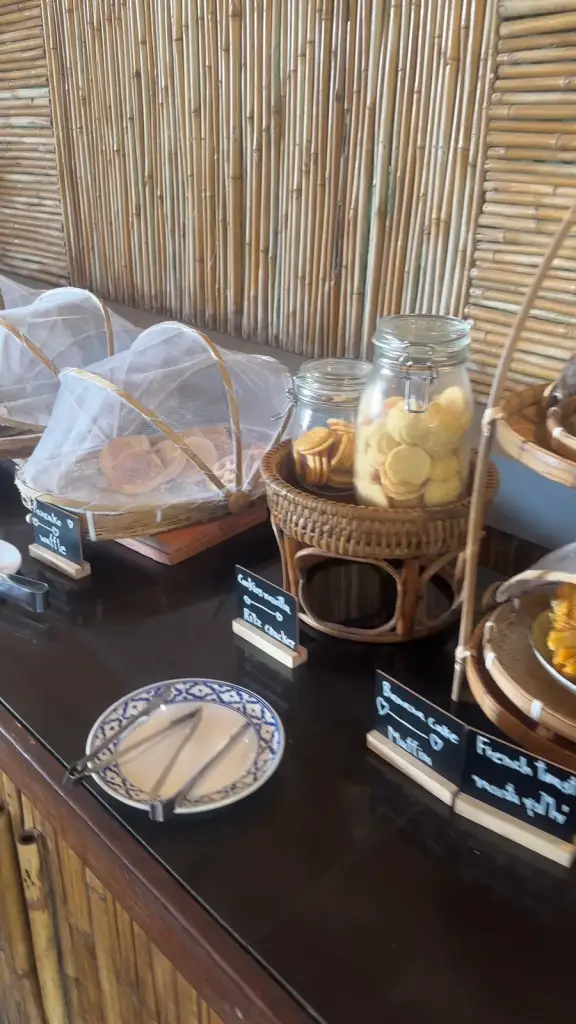
Cocktails by the pool at Railay Phutawan Resort, January 2025Railay Phutawan Resort in the evening: the pool and lit-up balconiesBreakfast at Railay Phutawan Resort
Beyond Railay and Ao Nang, there are more bays along Krabi's coastline, some developed and well known, others quieter.
Noppharat Thara Beach
Noppharat Thara Beach is north-west of Ao Nang beach and is part of the Hat Noppharat Thara - Mu Ko Phi Phi National Park.
It is a fairly long stretch of beach, with trees for shade, a promenade and spots where you can sit facing the sea.
At low tide much more of the sand is exposed, and you can sometimes see the shape of the seabed and the small islands offshore.
It is a beach for walking, picnics and watching the sunset, but swimming conditions vary with the tides.
Ao Nam Mao
Ao Nam Mao is south-east of Ao Nang.
The area is known mainly for the pier where boats leave for Railay East, and for the hotels and restaurants along the shore.
It is not a major tourist swimming beach like Railay West, but it can be a convenient base for anyone who wants quieter surroundings and still wants access to Railay.
Klong Muang Beach
Klong Muang is north of Ao Nang, in a relatively calm area.
Along the beach there are hotels and resorts, beach restaurants and stretches where you can walk by the sea.
The atmosphere mainly suits anyone looking for a relaxed resort holiday who does not want to be in the busy tourist centre.
The downside is the distance from Ao Nang's choice of restaurants, shops and bars. If you stay here, you may need a taxi or a car to get to other places.
Tubkaek Beach
Tubkaek is a quieter beach further north, with a beautiful view of the islands and limestone cliffs opposite.
The area is known for its resorts, some of them upmarket, which make the most of the view and the relatively secluded atmosphere.
It is a beach for anyone looking mainly for rest and scenery, and less for those who want to go out to a nightlife centre every evening.
05Island trips from Krabi - one of the main reasons to come
One of the central experiences in Krabi is heading out to sea.
Scattered along the coast are large and small islands, beaches you can only reach by boat, lagoons enclosed by cliffs and snorkelling spots.
Most trips leave from Ao Nang or nearby piers, on traditional longtail boats or speedboats.
The type of boat affects the price, the journey time, the number of passengers and the comfort.
A longtail boat suits a short trip and a local feel, while a speedboat lets you reach more distant spots in a relatively short time. That said, in choppy seas even a speedboat ride can be bumpy and uncomfortable.
The Four Islands Tour
The Four Islands Tour is one of the most popular trips from Ao Nang.
The route usually includes Phra Nang Beach, Chicken Island, Koh Tup (joined to the tiny island of Koh Mor) and Koh Poda, depending on the operator's route.
One of the most famous sights on the trip is Thale Waek, where a sandbar linking small islands is exposed at low tide.
The water level changes throughout the day, so it does not look the same on every visit.
During the trip there are usually stops for swimming, snorkelling and time on the beach.
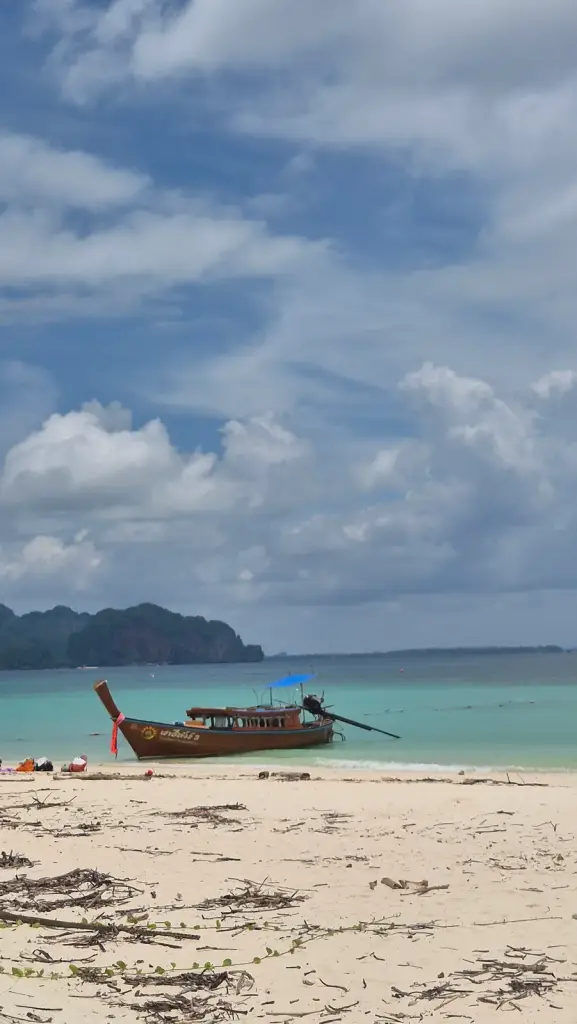
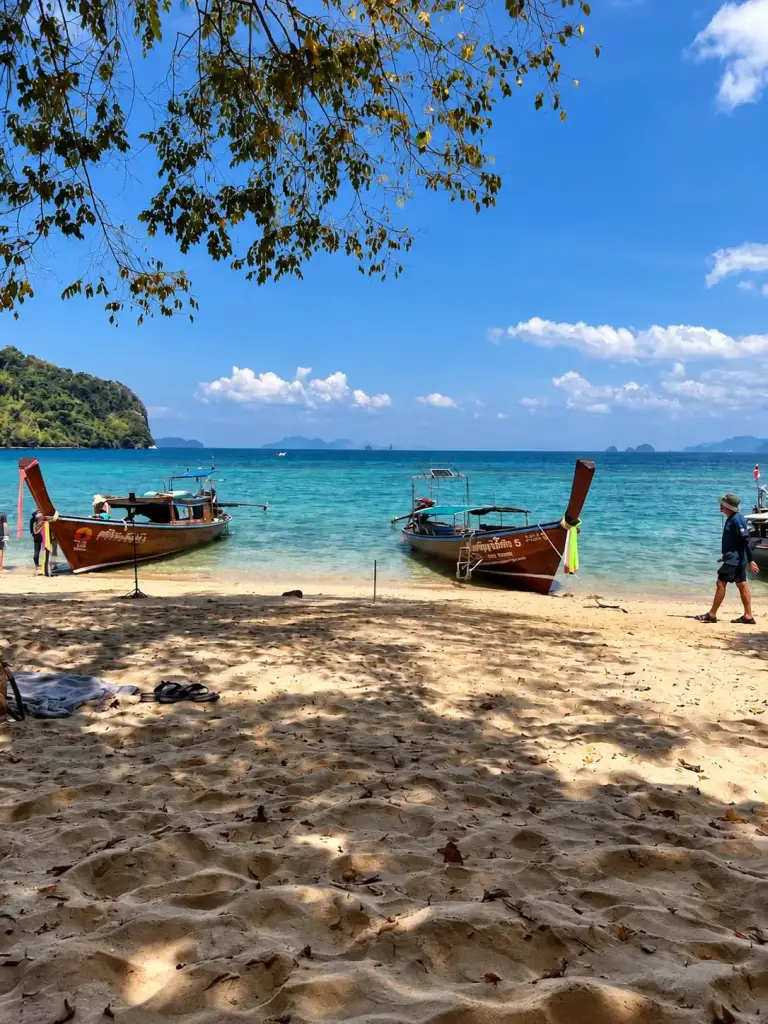
A longtail boat on the beach at Koh Poda. Photo: Reut Dotan Yaniv
Who is this trip for? Anyone who wants a taste of Krabi's famous scenery without going too far from the mainland coast.
The Hong Islands
✓ We visited | 25 January 2025
The Hong Islands are a group of islands north-west of Ao Nang, within Than Bok Khorani National Park.
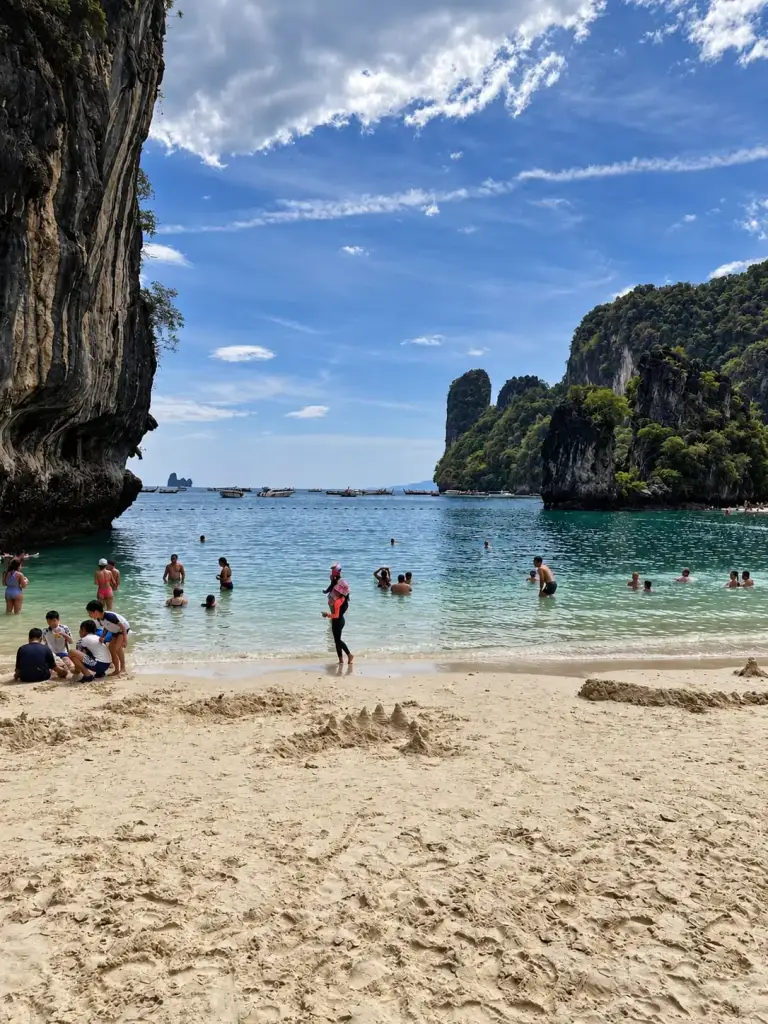
It is one of the most beautiful day trips in the area, with limestone cliffs covered in greenery, water in shades of green and turquoise, and small beaches.
One of the most special spots is Hong Lagoon, a lagoon enclosed by cliffs that you enter through a narrow sea passage.
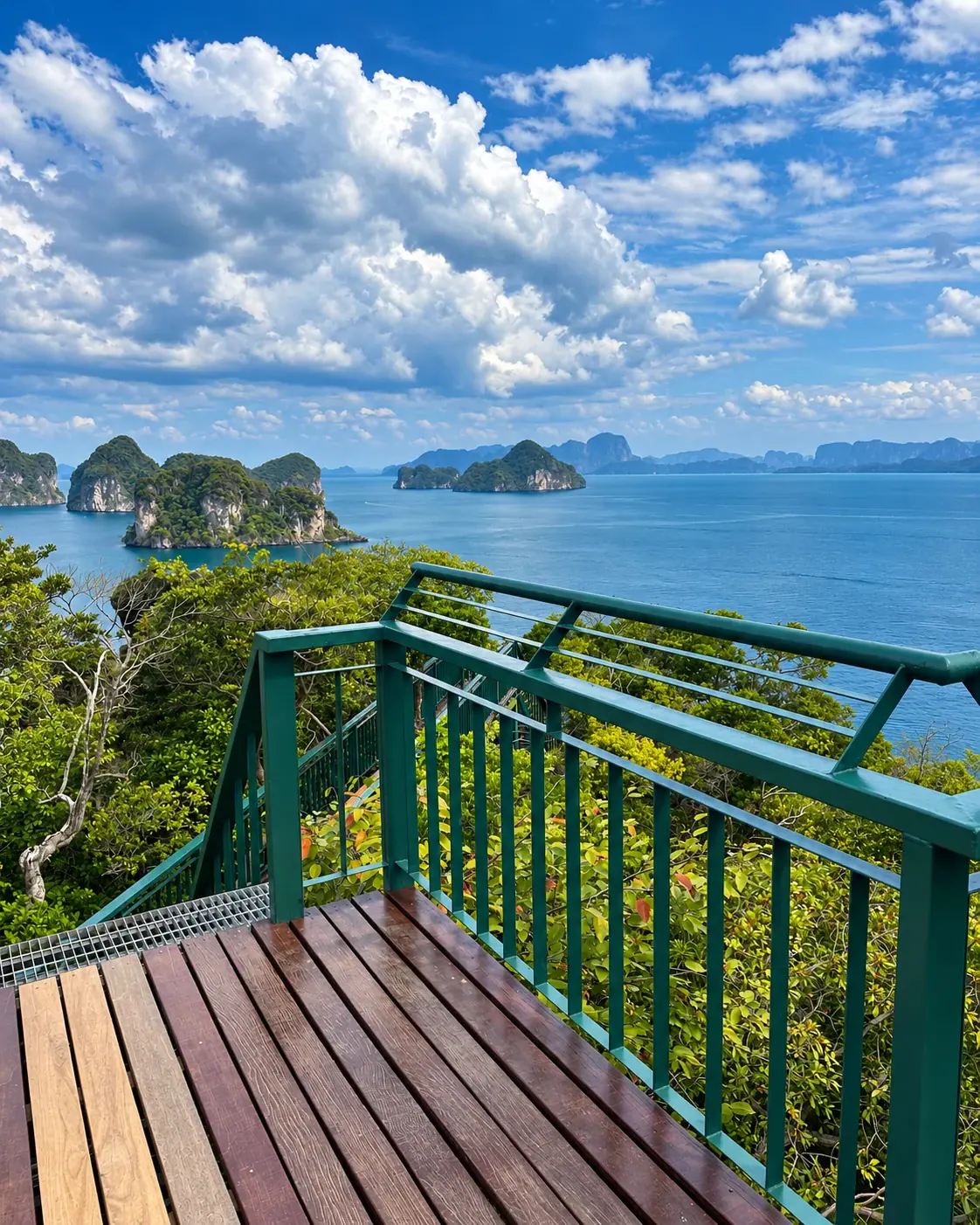
On the main island there is a beach and a staircase leading up to a high viewpoint. The climb is strenuous, but from the top you can see the sea and the surrounding islands.
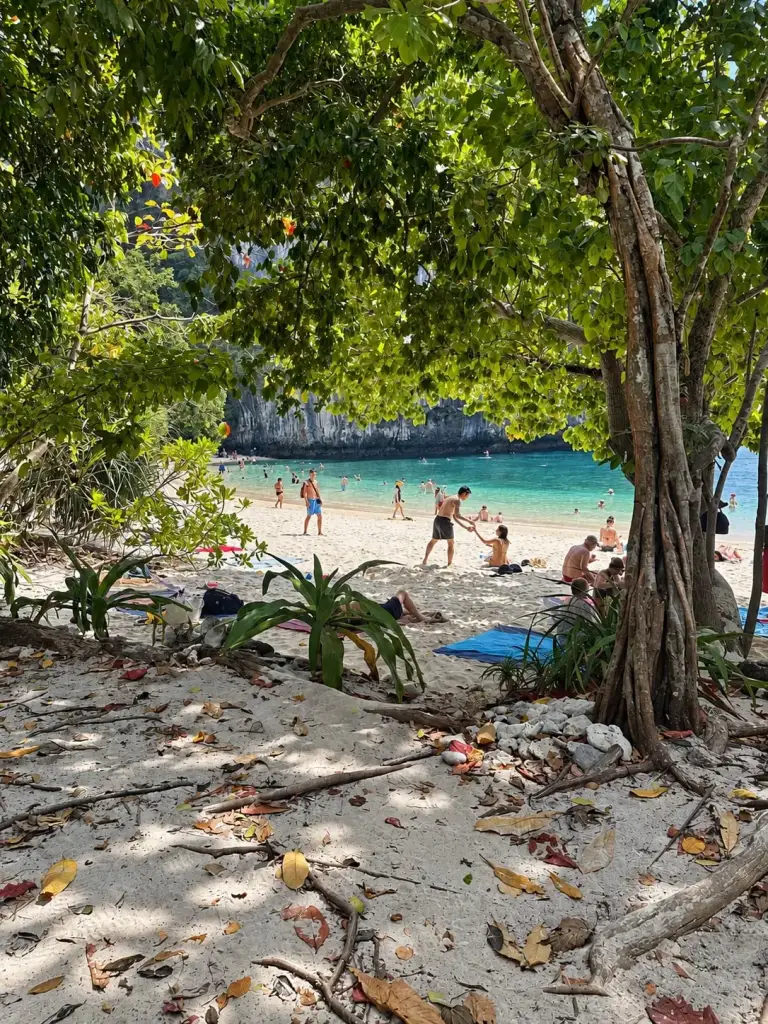
The beach on Koh Hong, in the shade of the trees, January 2025The limestone cliffs and clear water at Koh HongLongtail boats on the beach at Koh Pakbia, on the way to the Hong Islands
A trip to the Hong Islands is especially suited to anyone who loves nature, scenery and photography. Some routes add other islands in the area, depending on the tour company and sea conditions.
Koh Poda is a small island off the Krabi coast, known for its pale sand, clear water and the impressive limestone pinnacle you can see from the beach.
The island is one of the most common stops on the Four Islands Tour, but you can also get there on a private boat trip.
The advantage of a private boat is that you can decide how long to stay and try to arrive at quieter times, subject to boat availability and park rules.
Chicken Island
Chicken Island gets its name from the shape of one of its most prominent rocks, which looks like a chicken's head and neck.
The island is known mainly as a stop on boat and snorkelling trips, not as a destination with a tourist centre or places to stay.
It is a perfect example of Krabi's typical scenery: limestone rocks rising out of the sea, shallow water and small islands a short distance from each other.
06Koh Phi Phi - one of the most famous destinations in Krabi province
The Phi Phi Islands are part of Krabi province, although many travellers treat them as a separate destination.
The group includes several islands, with Koh Phi Phi Don being the main, inhabited island.
The island has hotels, restaurants, beaches, bars and a lively tourist centre. It offers a mix of boat trips, viewpoints, snorkelling and nightlife.
Koh Phi Phi Leh, on the other hand, is not an island you stay on, and it is famous mainly for Maya Bay and its dramatic limestone cliffs.
You can visit Phi Phi on a day trip from Krabi, but it is important to understand that the experience is different from staying several nights on the island.
A day trip usually involves sailing between several stops, while staying on Phi Phi lets you discover the evening atmosphere too, walk between the beaches and choose activities at a more relaxed pace. For a comparison of the island's areas to stay in, see where to stay on Koh Phi Phi.
Maya Bay
Maya Bay is one of the most photographed places in Thailand.
The beach is on Koh Phi Phi Leh, surrounded by tall limestone cliffs that form an almost enclosed bay.
The place became especially famous after the film The Beach, but its huge popularity also led to environmental restrictions.
Visits are subject to national park rules: swimming in the bay is banned all year round (you may only wade in up to your knees), and the bay closes every year for recovery between 1 August and 30 September.
Before you go, check whether the bay is open to visitors and what the visiting conditions are at that time.
07Koh Lanta - the more relaxed side of Krabi province
Koh Lanta is one of the largest islands in Krabi province and offers a different experience from Ao Nang and Phi Phi.
The island is known for its long stretches of beach, hotels and bungalows, small restaurants and a fairly laid-back atmosphere.
Instead of one crowded tourist centre, you will find several areas with different characters along the west coast.
Long Beach is one of the island's best-known beaches, while the south has quieter bays and natural scenery.
Koh Lanta suits anyone who wants to slow down the pace of their trip, combine beach days with nature trips and spend several nights in the same place.
You can get there from the mainland by car and car ferry, and in some seasons there are also boat services from nearby destinations.
Trips from Koh Lanta
Koh Lanta is a starting point for snorkelling and diving trips to the islands south of Krabi, including Koh Rok and Koh Haa.
These dive areas are known for clear water, reefs and a wide variety of marine life, but trips there depend on the season and sea conditions.
At certain times, parts of the national parks close for recovery or because of the weather.
08Things to do in Krabi beyond the beaches and islands
One of Krabi's great advantages is that you do not have to spend the whole holiday at sea.
Within driving distance of the coast there are temples, rainforests, natural pools, hot springs and hiking trails.
Some sites suit a trip of a few hours, while others need a whole day.
Emerald Pool - the green pool in the heart of the forest
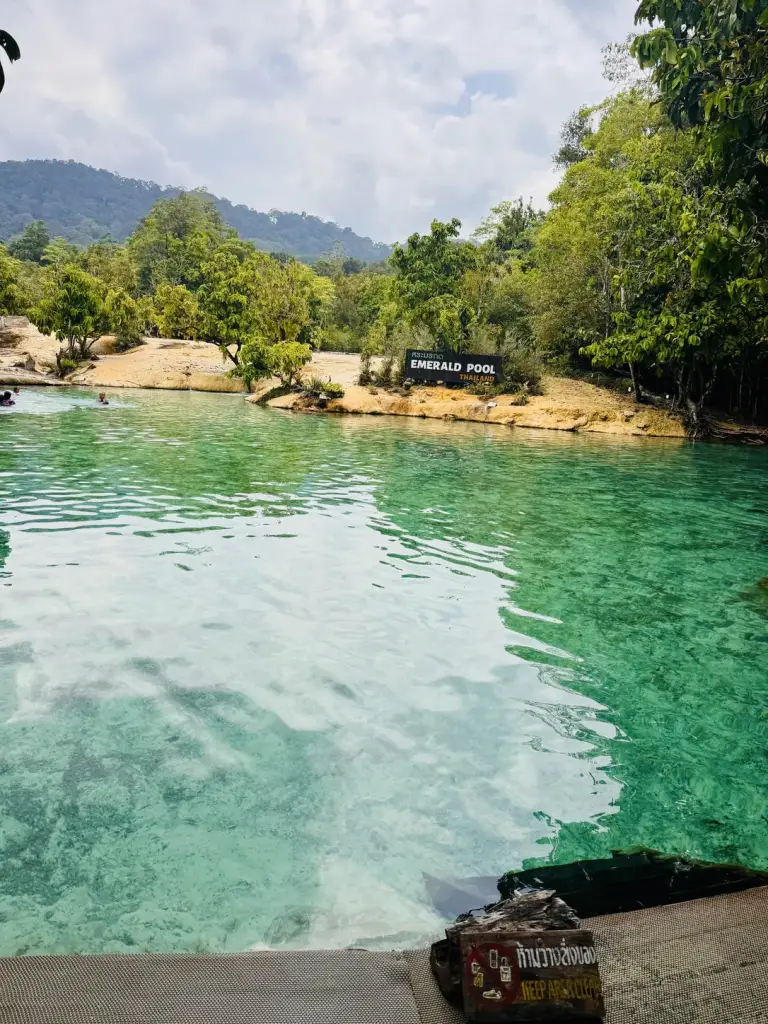
The Emerald Pool, known in Thai as Sa Morakot, is one of the best-known natural attractions in Krabi province.
The pool is in the Khlong Thom area, inside a forested nature reserve.
The water takes on a green-turquoise colour thanks to the natural conditions, the bottom and the light filtering through the trees.
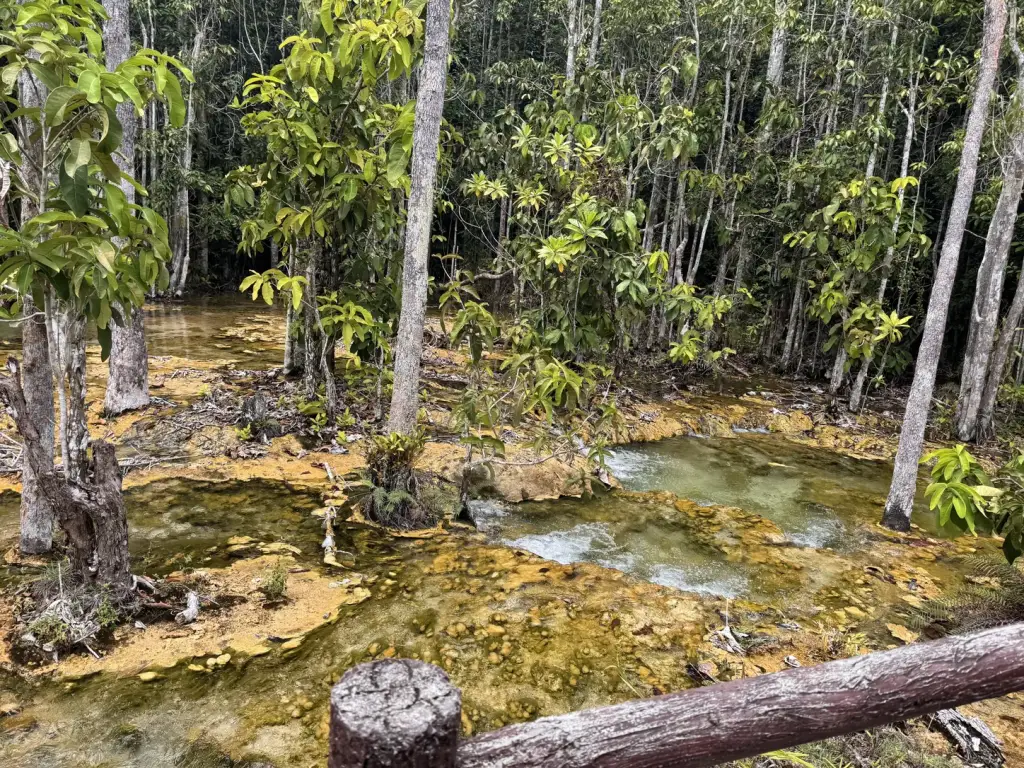
The Emerald Pool. Photo: Hodaya MaatukThe path to the pool, between the trees and the stream. Photo: Hodaya Maatuk
To reach the pool you walk along a trail through the forest. It is an integral part of the visit, not just a way of getting to the swimming spot.
Swimming is usually allowed in the main pool, following the reserve's rules, but it is important to tell it apart from other pools in the area where swimming is banned.
Further along the trail is the Blue Pool, another pool known for its intense blue colour. It is a sensitive natural site, and swimming there is not allowed. Access to the pool may be restricted at certain times because of conditions in the reserve and environmental concerns.
Is it worth going? The Emerald Pool suits anyone who wants to add nature and jungle to their holiday. That said, it is a popular site, and at busy times it can draw many visitors. Be prepared to walk in heat and humidity, and bring water and comfortable shoes.
Hot Springs - Krabi's hot springs
The Khlong Thom area is also home to Krabi's famous hot springs.
One of the best-known spots is Namtok Ron, also known as the Hot Stream Waterfall.
The hot water flows over natural rock steps, forming small pools in green surroundings. The experience is different from swimming in an ordinary pool: here you sit in hot water flowing between the rocks.
You can combine the hot springs with a visit to the Emerald Pool, as both sites are in the same general part of the province. That said, they are not right next to each other, so allow for a drive between them.
On very hot days, sitting in the hot water can be less pleasant. It is best to limit how long you soak and to keep drinking.
Tiger Cave Temple
Wat Tham Suea, known as the Tiger Cave Temple, is one of the most famous temples in the Krabi Town area.
The temple sits in green, rocky surroundings, but for many people the main attraction is the climb to the viewpoint at the top of the hill.
The way up involves more than 1,200 steps, some of them high and steep. It is a strenuous climb, especially in Thailand's heat and humidity.
At the top there are Buddha statues and a wide viewpoint overlooking Krabi's mountains, forests and valleys. If you are fit enough, it can be one of the most impressive experiences in the area.
Good to know: do not treat the climb as an easy walk. Wear suitable shoes, bring water and avoid climbing in the hottest hours of the day. The temple is also an active religious site, so dress and behave respectfully.
Dragon Crest Mountain - a viewpoint trail above Krabi
One of the best-known hiking trails in the area is Khao Ngon Nak, also called Dragon Crest Mountain.
The trail is in the hills above the Tubkaek beaches and leads to a high viewpoint over the Krabi landscape.
The walk takes you through forest, steep sections and stretches where the ground can be slippery after rain. The trail is more challenging than a short stroll along a promenade, and how long it takes depends on your pace, the weather and the state of the path.
The view from the top takes in green mountains, limestone cliffs, islands and open sea. It is a trail for travellers who love walking in nature and want to get to know Krabi beyond the beaches.
Check the entry conditions, the state of the trail and access hours before you set out.
09Kayaking in Krabi's mangrove forests
Krabi also offers excellent kayaking, especially in areas where rivers and channels wind between limestone cliffs and mangrove forests.
It is a completely different experience from an island trip. Instead of open sea and speedboats, you paddle along fairly quiet channels, between tree roots, rock walls and dense vegetation.
Ao Thalane - paddling through the mangroves
Ao Thalane is one of the best-known kayaking areas in Krabi.
The routes pass between limestone cliffs, natural channels and mangrove forests. Along the way you may see birds, crabs and sometimes monkeys and other animals.
It suits anyone who wants an active nature trip that does not necessarily require previous paddling experience. You can book a guided tour, and there are sometimes kayaks for hire too.
It is best to choose a route according to the tide, the weather and your level of experience.
Klong Root - freshwater kayaking
Klong Root, also called Mirror Lake or the Clear Water Canal, offers a different kind of paddling.
Instead of brackish mangrove channels, this is a freshwater route surrounded by greenery. In some places the water is especially clear and you can see the bottom.
It is a trip for anyone who loves calm nature, photography and paddling at an easy pace.
Choosing between Ao Thalane and Klong Root depends on the kind of scenery you prefer: mangroves and limestone cliffs, or freshwater channels and lush greenery.
10Rock climbing in Krabi
Krabi is one of the world's best-known rock climbing destinations, mainly thanks to the impressive limestone cliffs of Railay and Tonsai.
There are routes of different grades, from routes suitable for beginners to challenging ones for experienced climbers.
You can join a guided climbing lesson, where you get safety equipment and basic instruction. The experience combines a sporty activity with impressive views of the sea and the cliffs.
Even if you have never climbed before, you can find routes designed for beginners, but it is important to choose a professional guide and an operator who is strict about sound equipment and safety rules.
11Krabi Town - getting to know local Krabi
Krabi Town is the province's main city, and it offers a different experience from the beach towns.
There is no row of resorts by the sea here, but a Thai city with markets, shops, local restaurants, cafés and streets where everyday life goes on.
The city sits on the Krabi River, and you can head out from here on trips to the surrounding areas. It is a good place for anyone who wants to see a less touristy side of the province, taste local food and visit an evening market.
The riverside promenade
One of the nicest places for a walk in Krabi Town is the promenade along the river.
From the promenade you can see the water, the fishing boats and the famous Khao Khanab Nam limestone cliffs, which are seen as symbols of the city. There are stalls and places to sit in the area, especially in the evening.
Krabi night market
Krabi Walking Street, also known as Maharaj Walking Street, is one of the city's weekend hotspots.
At the market you will find food stalls, desserts, drinks, souvenirs, handicrafts and sometimes live music. It is a good place to taste several local dishes in one meal, rather than choosing a restaurant and ordering one big dish.
Chao Fah Night Market, near the river, also offers food and evening entertainment.
The markets are one of the best reasons to come to Krabi Town, especially if you are staying in Ao Nang and want to spend an evening in the city.
12What to eat in Krabi
Food in Krabi is influenced by southern Thai cuisine, which makes generous use of curry, herbs, seafood, coconut milk and spices.
Some southern dishes are spicier than the versions served in other tourist areas of Thailand. Alongside the local cuisine, Krabi has a wide range of international restaurants, especially in Ao Nang and Railay.
Local dishes worth knowing
Khao Yum - a southern rice salad with herbs, vegetables and a boldly flavoured sauce.
Khanom Jeen - rice noodles served with various sauces and curries, sometimes with fresh vegetables on the side.
Khua Kling - a spicy southern dish of meat or other ingredients stir-fried with a spice mix and dry curry.
Gaeng Som - a sour and spicy curry, sometimes made with fish and vegetables.
Bai Liang Pad Kai - local leaves stir-fried with egg, a well-known dish in southern Thailand.
Roti - both savoury versions with curry and sweet ones for dessert with banana, condensed milk or chocolate.
Krabi also has a significant Muslim population, so you will find halal restaurants and dishes that bring in influences from southern Thai Muslim cooking.
13Recommended and popular restaurants in Krabi
Krabi's restaurants are spread across different areas, so it makes sense to choose them according to where you are travelling that day. There is a big difference between a touristy beach restaurant in Ao Nang and a local restaurant in Krabi Town or a hilltop restaurant with a sea view.
KoDam Kitchen - Thai food in Ao Nang
KoDam Kitchen is one of the best-known restaurants in the Ao Nang area. It focuses on Thai food and offers a wide range of dishes, including curries, stir-fries, fish and seafood.
The restaurant has a branch in the Klong Haeng area of Ao Nang and another in the Ao Nam Mao area, facing the sea. The Ao Nang branch suits anyone looking for a Thai meal in a fairly accessible area, while the beachfront branch is better for those who want to combine food with a view.
Lae Lay Grill - dinner with a view of the bay
Lae Lay Grill sits on a hill above Ao Nang, with a view over the sea and the islands offshore. The restaurant is known mainly for its seafood and the atmosphere at sunset, and the menu includes fish, prawns, seafood dishes and drinks.
The view is a central part of the experience, so this is a place for a more special dinner rather than a quick meal between trips. It is worth booking ahead if you want a table with a view at sunset.
Ruen Mai - southern Thai cooking
Ruen Mai is one of the best-known restaurants in the Krabi area, focusing on traditional Thai dishes. The restaurant has moved from Krabi Town and is now on the road between Krabi Town and Khao Thong (the Sai Thai area), between Ao Nang and the city.
The menu includes southern curries, stews, vegetables and seafood. The atmosphere suits anyone who wants to get to know the local cuisine beyond the familiar tourist dishes, and it is a good choice for travellers driving around who want to combine a meal with a trip to the mainland part of Krabi.
Kotung - a long-established restaurant in Krabi Town
Kotung is a long-established restaurant in Krabi Town, known for its Thai and Thai-Chinese dishes. One of the dishes it is best known for is crab curry.
It is a good place for anyone who wants to combine a visit to Krabi Town with a meal at a well-known local restaurant.
Khaothong Hill - food and a panoramic view
Khaothong Hill is in the Khao Thong area, east of Ao Nang, on the way to Krabi Town and Ao Thalane. It combines a café and restaurant with a wide view of the sea, the mountains and the islands.
The main draw is sitting in front of the view, especially in the afternoon. You can combine a visit with a trip in the area or with kayaking at Ao Thalane.
Where to find cheaper food
If you are looking for food at local prices, try the market food stalls, small restaurants away from the tourist streets and eateries serving rice and curry.
In the Ao Nang area, prices can be higher at places right on the beach. In Krabi Town you will find a bigger choice of places that also cater to local customers.
Check the menu before you order, especially at seafood restaurants where some dishes are priced by weight.
14Krabi nightlife - bars, pubs and music
Krabi is not known for intense nightlife like Phuket or Pattaya, but you can certainly find places to go out, live music, pubs and parties.
The centre of the nightlife is Ao Nang. In the evening the streets fill with restaurants and bars, and you can move between places with live music, cocktail bars and spots for dancing.
Boogie Bar - live music in Ao Nang
Boogie Bar, in the Center Point complex, is one of the best-known bars in Ao Nang, especially for live music fans. It is known for bands playing rock, pop and familiar songs.
It is a bar for anyone who wants an evening of music and a sociable atmosphere, rather than necessarily a big dance club.
Kiss Bar Ao Nang
Kiss Bar is at the entrance to Soi RCA, one of Ao Nang's nightlife hubs. It has an area with music and dancing, alongside a more relaxed open upper floor, and you will find DJ sets, drinks and live sport on screens.
It is a place for anyone looking for a fairly lively night out in central Ao Nang.
Center Point
Center Point is a well-known nightlife area in Ao Nang, with bars and music venues. The area suits anyone who wants to move between several bars in one evening and choose by the music and atmosphere.
The line-up of venues can change, so check what is open when you visit.
Soi RCA
Soi RCA is a small nightlife street in Ao Nang, with bars open in the evening and at night.
The atmosphere here is different from the relaxed beach restaurants. The area is mainly about drinking, music and socialising, and travellers looking for bars open fairly late will find several options here.
The Last Bar - Railay's nightlife
In Railay East you will find The Last Bar, one of the best-known places for a night out on the peninsula. It is known for music, a sociable atmosphere and sometimes live shows and events.
The advantage of a night out in Railay is the special atmosphere, among the cliffs and within walking distance of the hotels.
There is one important point, though: Railay is not connected to Ao Nang by road. If you plan to go out in Railay at night, you need to factor in boat availability and not assume you can get back to Ao Nang at any hour. That is why Railay's nightlife is best suited to those staying there.
15Markets and shopping in Krabi
Krabi is not a major shopping destination like Bangkok or Phuket, but it has a good range of shops and markets.
In Ao Nang you will find shops selling swimwear, beachwear, souvenirs, bags, toiletries and travel gear. Along the main street there are small shops and shopping complexes aimed mainly at tourists.
Ao Nang Landmark Night Market
This is one of the best-known evening markets in the Ao Nang area, near Noppharat Thara. The market combines food stalls, drinks, souvenirs and sometimes live performances.
You can come here for an informal dinner, taste a few dishes and enjoy the atmosphere.
Krabi Walking Street
Krabi Town's weekend market is better for anyone who wants to combine local food, a bit of shopping and a city experience. There are food stalls, clothes, handicrafts and souvenirs.
The markets are also an easy way to discover dishes that do not always appear on the menus of tourist restaurants.
16A holiday in Krabi with children or as a couple
A family holiday in Krabi
Krabi can suit families very well, especially if you choose a convenient area to stay and plan trips to match your children's ages.
In Ao Nang there are hotels with pools, easy-going restaurants and the option of booking tours with hotel pick-up.
Short boat trips, calm beaches and a visit to the natural pools can suit families, but it is important to match the activity to the sea conditions and the children's ages.
Long kayak trips, steep climbing routes and the climb at the Tiger Cave Temple are not necessarily right for every family. Long drives and speedboat rides in choppy seas can also be tiring.
For families who prefer a holiday centred on the hotel, the pool and the beach, areas such as Klong Muang or Tubkaek can work well, but bear in mind the distance from restaurants and activity centres.
A holiday for couples in Krabi
Krabi offers plenty of options for a couple's holiday, from small boutique hotels to luxury beachfront resorts.
Railay suits anyone looking for special scenery, sunsets and limestone cliffs surrounding the beach. Tubkaek and Klong Muang are better for those who prefer quiet surroundings and resort-style hotels. Ao Nang suits couples who like to combine trips by day with restaurants and bars in the evening.
You can also combine areas: a few nights in Ao Nang for the trips, followed by a few nights somewhere quieter.
17Where to stay in Krabi
Choosing where to stay is one of the most important decisions when planning a holiday in Krabi.
Ao Nang suits anyone looking for convenience, a choice of hotels, restaurants, bars and access to island trips.
Railay suits anyone who wants to wake up surrounded by limestone cliffs and enjoy a special atmosphere, and is happy to arrive by boat.
Klong Muang suits a more relaxed holiday, with hotels along the beach.
Tubkaek suits anyone looking mainly for quiet, views and resorts.
Krabi Town suits those who prefer a local city atmosphere, visiting markets and prices that may be friendlier.
Koh Lanta suits anyone interested in a longer holiday on a fairly relaxed island.
No single area suits everyone. The choice depends on whether your holiday is about trips, beaches, restaurants or resting at the hotel.
Our advice - do not choose a hotel only by how close it is to the beach
One of the important things we learned on our trip in Thailand is that a hotel's location does not always tell the whole story.
In Railay we worried that the hotel we had chosen was too far from the beach, but in practice we found that the distances were fairly short, the walk was pleasant and the hotel itself offered an experience we would not have swapped for a simpler hotel on the beach.
On the other hand, in other destinations in Thailand we found that a distance that looks short on the map can become a real problem because of the path and the transport.
So before you book a hotel in Krabi, check not only the distance from the beach, but also how you get there, whether there are slopes, whether you need a boat and which restaurants and places to go out are nearby.
18How to get to Krabi and how to get around
Flying to Krabi
Krabi has an international airport, Krabi International Airport (KBV). It is on the mainland part of the province, not in Ao Nang or Railay.
From there you can continue to Krabi Town, Ao Nang and other areas by taxi, shuttle or hire car. If you are heading to Railay, you will need to continue to a boat departure point.
Getting there from Phuket
You can get from Phuket to Krabi overland, by car, private transfer or bus. There are also boat services between destinations in the Andaman Sea area, depending on the season and the route.
Choosing between road and sea depends on where you are in Phuket and your final destination in Krabi. It is important to distinguish between Krabi Town, Ao Nang and Railay, as these are different arrival points.
Getting there from Koh Phi Phi
From Phi Phi you can take a boat to the piers in the Krabi area, including Klong Jilad or other points depending on the type of service. Check the departure and arrival points when you buy your ticket, especially if your hotel is in Railay or in an area far from Ao Nang.
Getting there from Koh Lanta
The journey between Koh Lanta and the mainland parts of Krabi usually combines roads and a car ferry crossing. The journey time depends on your destination, the traffic and the ferry times.
How do you get around Krabi?
In the Ao Nang area you can walk to many of the main restaurants, shops and bars, depending on where your hotel is. However, to visit remote beaches, temples, hot springs and viewpoints you will need transport.
Taxis and transfers: a convenient solution if you do not want to drive. You can book a ride through your hotel or through transport services available locally, and it is worth agreeing the price in advance, especially for long journeys.
Hire car: suits travellers who want to reach the inland sites independently and combine several places in a day. Bear in mind that Thailand drives on the left, and the state of the roads.
Scooters: very common in Thailand, but not a safe option for every traveller. Riding requires experience, a suitable licence, a helmet and insurance that covers riding. Wet roads, steep slopes and traffic can make riding dangerous.
Longtail boats: used mainly to reach Railay, Tonsai and the nearby islands. You can usually buy tickets at organised departure points, but boat times depend on the route, the number of passengers and the sea conditions.
19How many days should you spend in Krabi?
How long to stay depends on the kind of holiday you want and whether you plan to visit only the Ao Nang area or the islands and inland areas too.
Three days in Krabi
Three days give you a taste of the area. You can spend one day on Railay and Phra Nang, another on the Four Islands Tour or the Hong Islands, and a third exploring Ao Nang and its surroundings. It is a fairly full itinerary, especially if you also want time to rest.
Five days in Krabi
Five days let you combine beaches, boat trips and attractions on land: a day for Railay, a day for the Hong Islands, a day for the Four Islands Tour, a day for the Tiger Cave Temple or the Emerald Pool and another day to rest. This also lets you fit the order of the trips around the weather.
A week in Krabi
A week lets you get to know the area at a more comfortable pace. You can combine boat trips with kayaking, viewpoints, a visit to Krabi Town and northern beaches such as Tubkaek, and split your stay between Ao Nang and Railay.
If you plan to spend a few nights on Phi Phi or Koh Lanta, add them as separate destinations rather than trying to squeeze everything into one packed week.
20When is the best time to visit Krabi?
Krabi is on the Andaman Sea coast, so its seasons differ to some extent from those of the islands in the Gulf of Thailand, such as Koh Samui and Koh Phangan.
The period between December and April is generally considered better for beach and boat trips. In these months there is a higher chance of dry weather and suitable sea conditions, although there can still be rain and waves.
January and February are especially popular with travellers, so the most sought-after places can be crowded and room rates higher.
Between May and October the effect of the rainy season is more noticeable. That does not mean it rains non-stop, but there is a higher chance of heavy rain, rough seas and changes to boat schedules. At this time of year, keep your plans flexible and avoid relying on a single day for an important island trip.
From our experience in Railay, the weather has a very big effect on the experience. On sunny days the beaches and cliffs are simply spectacular. On cloudy or rainy days the scenery is still beautiful, but the colour of the water and the atmosphere change a lot.
So if your main goal is to enjoy Krabi's beaches and scenery, we would give real weight to the season you travel in.
Sunset on a beach in the Klong Muang area of Krabi. Photo: Reut Dotan Yaniv
21How to choose a boat trip in Krabi
Before you book an island trip, check exactly what is included in the price. Two trips with the same name can differ in the time spent on the islands, the number of passengers and the type of boat.
Number of stops: a route with lots of stops does not necessarily give you more time to enjoy each island.
Type of boat: a longtail boat and a speedboat offer different experiences.
Entry fees: some national parks charge separate entry fees, which are not always included in the price of the trip.
Equipment: on snorkelling trips, check whether you get a mask, snorkel and life jacket.
Meals: some trips include lunch, while others offer only drinks or light refreshments.
Cancellation due to weather: find out in advance what happens if the trip is cancelled because of sea conditions.
If you are looking for quiet and flexibility, a private boat trip can be a good option, especially for a small group. However, the price is usually higher. More tours and attractions across Thailand: tours and attractions.
Does Krabi suit people who do not like organised tours?
Absolutely. You can spend several days in Krabi without joining a single group tour: take a longtail boat to Railay, explore the beaches at your own pace, rent a car to visit temples and viewpoints, or choose a private boat trip.
The advantage of travelling independently is flexibility. On the other hand, organised tours can be especially convenient if you do not want to deal with transport, booking boats and planning routes. A combination of the two suits many people: one organised island trip, alongside independent days on the beaches and inland.
22Things to know before you go to Krabi
Krabi is a fairly easy destination to travel in, but a few small decisions can make a big difference to your holiday.
First, choose where to stay according to your plans. A beautiful, secluded hotel can be a great choice for a restful holiday, but less convenient if you plan to go out to restaurants and bars every evening.
Second, do not rely only on the straight-line distance on the map. Limestone cliffs, bays and stretches of water mean that places that look close can require a long drive or a boat trip.
Third, plan your boat days around the weather. If you have a few free days, do not leave the most important trip for the last one.
At nature sites, bring comfortable shoes, water and sun protection. In reserves and parks, follow the site rules and do not enter areas where access is not allowed.
It is also important to respect the environment: do not touch coral, do not feed monkeys or wildlife, and do not leave rubbish on the beaches or in the jungle.
Is Krabi better than Phuket?
Phuket and Krabi are both on the Andaman Sea, but they offer different experiences.
Phuket is a bigger and more developed tourist destination, with a wide choice of beaches, hotels, restaurants, shopping centres and nightlife. Krabi stands out mainly for its dramatic limestone scenery, its closeness to the islands and how easily you can combine beaches with nature activities.
If you are looking for serious nightlife, shopping and a huge choice of restaurants, Phuket may suit you better. If your main goals are island trips, Railay, kayaking and impressive scenery, Krabi is an excellent choice.
You do not necessarily have to choose between them. You can combine Phuket and Krabi on the same trip, especially if you have enough time to enjoy each area without changing hotels every day.
23Krabi - much more than one beautiful beach
What makes Krabi special is the combination of several kinds of scenery and experiences within one province.
On one hand there are the famous beaches and islands: Railay, Phra Nang, the Hong Islands and Phi Phi. On the other there are areas that have nothing to do with the sea, such as the Emerald Pool, the hot springs, the Tiger Cave Temple and the mangrove forests. Alongside the nature there is also Krabi Town, the markets, the local cuisine, and the restaurants and bars of Ao Nang.
The best way to enjoy Krabi is to work out in advance what kind of holiday you want: island trips, a beach hotel, nightlife, nature or a mix of them.
For first-time visitors who want to take lots of trips, Ao Nang is usually a convenient base. For anyone looking for something more special, Railay offers scenery and an atmosphere that are hard to find elsewhere. And for those who prefer quiet, the northern stretches of the coast and the more remote islands offer more options.
Krabi is not a destination you can sum up with a visit to one beach. It is a region worth discovering gradually, between the sea, the cliffs, the jungle and the local towns.